
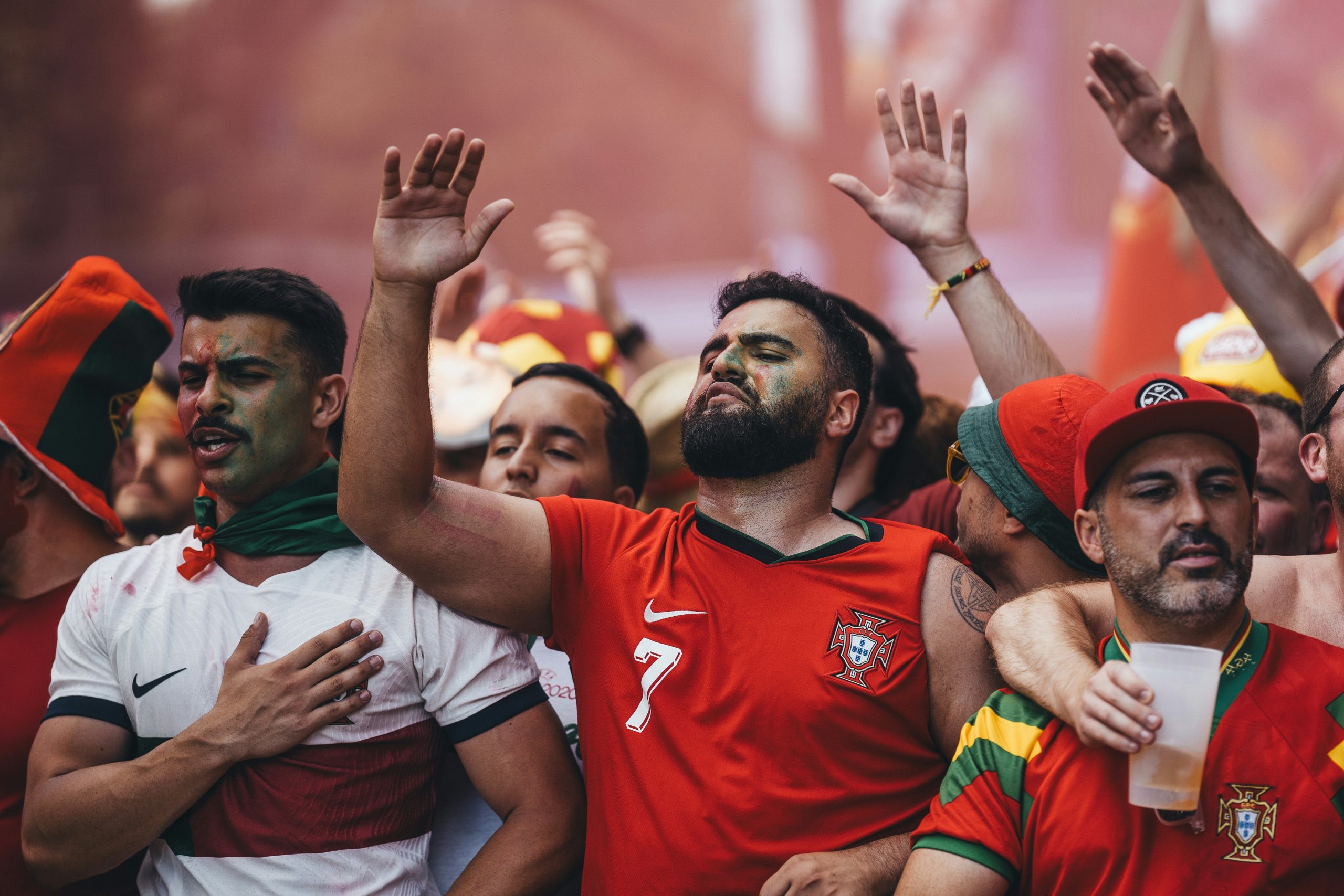
Building a global fan community for the World Cup using Web3 isn’t just a futuristic dream; it’s an evolving reality with tangible benefits for fans and organizers alike. At its core, it’s about giving fans more ownership, more say, and more direct connections within the sport they love. Think of it as taking the passion of millions and giving it a digital backbone that actually represents and rewards that engagement.
The traditional World Cup experience, while thrilling, has historically been a one-way street for most fans. We consume content, buy merchandise, and cheer from afar. Web3, with its emphasis on decentralization and tokenization, offers a chance to flip this dynamic. It’s about shifting power and participation models to create a more inclusive and engaging ecosystem.
The limitations of current fan engagement
For years, fan engagement has largely been about broadcast rights, social media likes, and exclusive merchandise drops. While these have their place, they don’t truly empower the fan to be a part of the journey. Imagine feeling disconnected from your favorite team or player, despite your unwavering support, because your participation doesn’t translate into anything tangible beyond emotional satisfaction. That’s where Web3 steps in – to bridge that gap and offer a more profound level of involvement.
Web3’s fundamental promise: ownership and participation
The core promise of Web3 lies in its ability to grant ownership of digital assets and facilitate decentralized participation. This means moving beyond passive consumption to active contribution. For the World Cup, this translates into tangible benefits for fans, creating a sense of belonging and investment in the event and the sport itself.
As the excitement for the upcoming World Cup builds, the integration of Web3 technology into fan communities is becoming increasingly significant. Fans are now able to engage with their favorite teams and players in innovative ways, thanks to blockchain technology and decentralized platforms. For a deeper understanding of how data analytics plays a crucial role in enhancing fan experiences and driving engagement, you can read this insightful article on the subject: World Cup Data Analysis: Key Factors for Success. This article explores the intersection of sports, technology, and fan engagement, highlighting the potential of Web3 in transforming the way fans interact with the World Cup.
Tangible Ways Web3 is Reshaping Fan Experience
Web3 isn’t just about abstract concepts; it’s about creating practical, everyday applications that enhance the fan journey. From collectibles to decision-making, the potential is vast and already being explored.
Digital Collectibles and NFTs: More Than Just JPEGs
Non-Fungible Tokens (NFTs) are arguably the most visible entry point of Web3 into sports fandom. For the World Cup, this means moving beyond physical memorabilia to digital assets that can represent moments, achievements, or even access.
Unique historical moments and iconic plays
Imagine owning a digital keepsake of a historic goal, a pivotal save, or even a player’s breakout performance. NFTs can immortalize these moments, allowing fans to own a piece of World Cup history in a verifiable and unique way. These aren’t just static images; they can be dynamic, evolving, or even unlock future benefits.
Fan tokens and community governance
Fan tokens, often built on blockchain technology, are another significant development. These tokens can grant holders voting rights on certain club or tournament-related decisions, such as jersey designs, training facility upgrades, or even community initiatives. This gives fans a direct voice and a stake in the future of their beloved teams and events.
Exclusive access and experiences powered by tokens
Beyond voting, fan tokens can also unlock exclusive content, behind-the-scenes access, merchandise discounts, or early ticket purchases. This creates a tiered system of engagement, rewarding the most dedicated fans with perks that go beyond what traditional loyalty programs offer.
Decentralized Platforms for Fan Interaction
Web3 is also fostering the development of decentralized platforms that empower fans to connect and interact in new ways, free from the control of single entities.
Social platforms owned by users, not corporations
Think of social media platforms where users truly own their data and content, rather than having it harvested for advertising. These Web3-native social spaces could foster more authentic and community-driven discussions around the World Cup, free from algorithmic manipulation and censorship.
Fan-generated content and monetization opportunities
Web3 can enable fans to create and share their own content related to the World Cup, such as analysis, art, or highlight reels, and even earn from it through token-based rewards or direct peer-to-peer payments. This democratizes content creation and allows for a richer tapestry of fan expression.
Blockchain-based ticketing and merchandise verification
The current ticketing system is rife with issues like scalping and counterfeiting. Blockchain technology can offer a more secure and transparent way to manage tickets, ensuring authenticity and fair resale. Similarly, merchandise can be authenticated on the blockchain, providing proof of ownership and origin.
Building the Infrastructure: The Technical Backbone

The successful implementation of Web3 for World Cup fandom relies on robust and accessible technological infrastructure. This isn’t about getting bogged down in jargon, but understanding the practical tools that make it all work.
The role of blockchain technology
Blockchain is the foundational technology. Its decentralized and immutable ledger system is what enables true ownership of digital assets and secure, transparent transactions.
Smart contracts for automated agreements
Smart contracts are self-executing contracts with the terms of the agreement directly written into code. For the World Cup, this could automate royalty payments for digital collectibles, ensure fair distribution of rewards, or manage voting mechanisms for fan tokens.
Interoperability and cross-chain solutions
As various Web3 projects emerge, the ability for them to communicate and share data between different blockchains (interoperability) becomes crucial. This ensures that a fan’s digital assets or participation in one ecosystem can be recognized and utilized in another, creating a more seamless experience.
Developing user-friendly interfaces and wallets
The biggest hurdle for widespread adoption is often usability. Web3 needs to be as intuitive as current internet applications.
Simplifying wallet management and transactions
Setting up and managing a crypto wallet can be intimidating for newcomers. User-friendly interfaces and simpler onboarding processes are essential to make Web3 accessible to the average World Cup fan, regardless of their technical expertise.
On-ramps for fiat currency and seamless purchase flows
For fans to participate, they need easy ways to convert traditional money (like dollars or euros) into cryptocurrencies or the specific tokens required for engagement. Creating seamless “on-ramps” is paramount for mass adoption.
Addressing the Challenges and Concerns

While the potential is exciting, it’s important to approach Web3 for the World Cup with a realistic lens, acknowledging and addressing significant hurdles.
Regulatory uncertainty and consumer protection
The Web3 space is still largely an unregulated frontier. This means potential risks for consumers regarding scams, fraud, and unclear legal standing of digital assets.
Ensuring fair practices and preventing exploitation
Organizers and platform developers will need to prioritize consumer protection, implementing clear terms of service, robust security measures, and transparent communication to prevent fans from being exploited.
Navigating evolving legal frameworks for digital assets
Governments worldwide are still grappling with how to regulate cryptocurrencies and NFTs. The World Cup will need to operate within these evolving legal landscapes, ensuring compliance and clarity for all participants.
Environmental impact and sustainability
The environmental concern surrounding some blockchain technologies, particularly those using proof-of-work consensus, is a valid point of discussion.
Exploring energy-efficient blockchain solutions
Many newer blockchain networks and upgrades are focusing on energy efficiency. The World Cup ecosystem should prioritize using or incentivizing the use of these more sustainable technologies to minimize its carbon footprint.
Offsetting and regenerative initiatives
Beyond choosing energy-efficient tech, implementing carbon offsetting programs or investing in regenerative projects can further mitigate any environmental impact associated with the digital infrastructure.
Inclusivity and accessibility for a global audience
The World Cup is a truly global event, and any Web3 initiatives must cater to this diversity.
Bridging the digital divide and ensuring equitable access
Not everyone has access to high-speed internet or the latest technology. Web3 projects need to consider how to be accessible to fans in developing nations and those with limited digital resources. This might involve leveraging lower-bandwidth solutions or offering alternative participation methods.
Language barriers and cultural nuances
The World Cup unites people from every corner of the globe. Web3 platforms and content need to be translated and localized to accommodate different languages and cultural sensitivities, making them truly global.
As the excitement builds for the upcoming World Cup, fans are increasingly turning to innovative platforms to engage with their favorite teams and players. A fascinating aspect of this evolution is the emergence of Web3 fan communities, which offer unique opportunities for interaction and participation. For those interested in exploring how these digital spaces are shaping the future of fan engagement, a related article provides insights into the competitive landscape of the tournament and the potential impact on fan experiences. You can read more about it in this article on World Cup rankings and predictions here.
The Future of World Cup Fandom: A Collaborative Ecosystem
| Metrics | Data |
|---|---|
| Number of Web3 fan communities | 15 |
| Active members | 10,000 |
| Engagement rate | 75% |
| Top participating countries | USA, Brazil, England, Germany |
| Number of NFT collections related to World Cup | 5 |
Ultimately, World Cup Web3 is about building a more connected and rewarding future for football fans. It’s not about replacing the thrill of the game, but augmenting it with new avenues for engagement and ownership.
The evolution from spectator to stakeholder
Web3 offers a pathway for fans to evolve from passive spectators to active stakeholders, with a genuine sense of ownership and influence. This can foster deeper loyalty and a stronger connection to the sport.
Creators, developers, and fans collaborating
The most successful Web3 initiatives will likely be those that foster collaboration. This means bringing together event organizers, football governing bodies, developers, content creators, and crucially, the fans themselves, to co-create and innovate within the World Cup ecosystem.
Long-term value beyond a single tournament
The digital assets and communities built during a World Cup can have lasting value. Fan tokens, collectible NFTs, and established decentralized platforms can continue to engage fans long after the final whistle blows, creating a continuous cycle of connection and participation. This isn’t just about one tournament; it’s about building a sustainable framework for fandom for years to come.
FAQs
What is the World Cup Web3 fan community?
The World Cup Web3 fan community is a decentralized online community of soccer fans who use Web3 technology to connect, interact, and engage with each other during the FIFA World Cup.
How does the World Cup Web3 fan community work?
The World Cup Web3 fan community operates on a decentralized network using blockchain technology, allowing fans to participate in various activities such as voting, predictions, and fan-driven initiatives without the need for a central authority.
What are the benefits of joining the World Cup Web3 fan community?
Joining the World Cup Web3 fan community provides fans with a secure and transparent platform to engage with other fans, access exclusive content, and participate in fan-driven activities while leveraging the benefits of Web3 technology.
How can fans join the World Cup Web3 fan community?
Fans can join the World Cup Web3 fan community by creating a digital wallet, acquiring the community’s native tokens, and participating in various community-driven activities through decentralized applications (dApps) built on Web3 technology.
What sets the World Cup Web3 fan community apart from traditional fan communities?
The World Cup Web3 fan community distinguishes itself from traditional fan communities by offering a decentralized and transparent platform for fans to engage, interact, and participate in various activities using Web3 technology, without the need for intermediaries or central authorities.